Important Guidelines for Picking the Right Electrician for Your Home Improvements
Picking the right electrician for home projects demands careful evaluation. A homeowner should assess their unique electrical needs first. Experience and credentials play an essential role in ensuring adherence with local regulations. Furthermore, reviews and recommendations can provide perspective into an electrician's reputation. However, there are more factors to consider that can substantially impact the outcome of the project. Understanding these aspects is vital for a successful partnership.
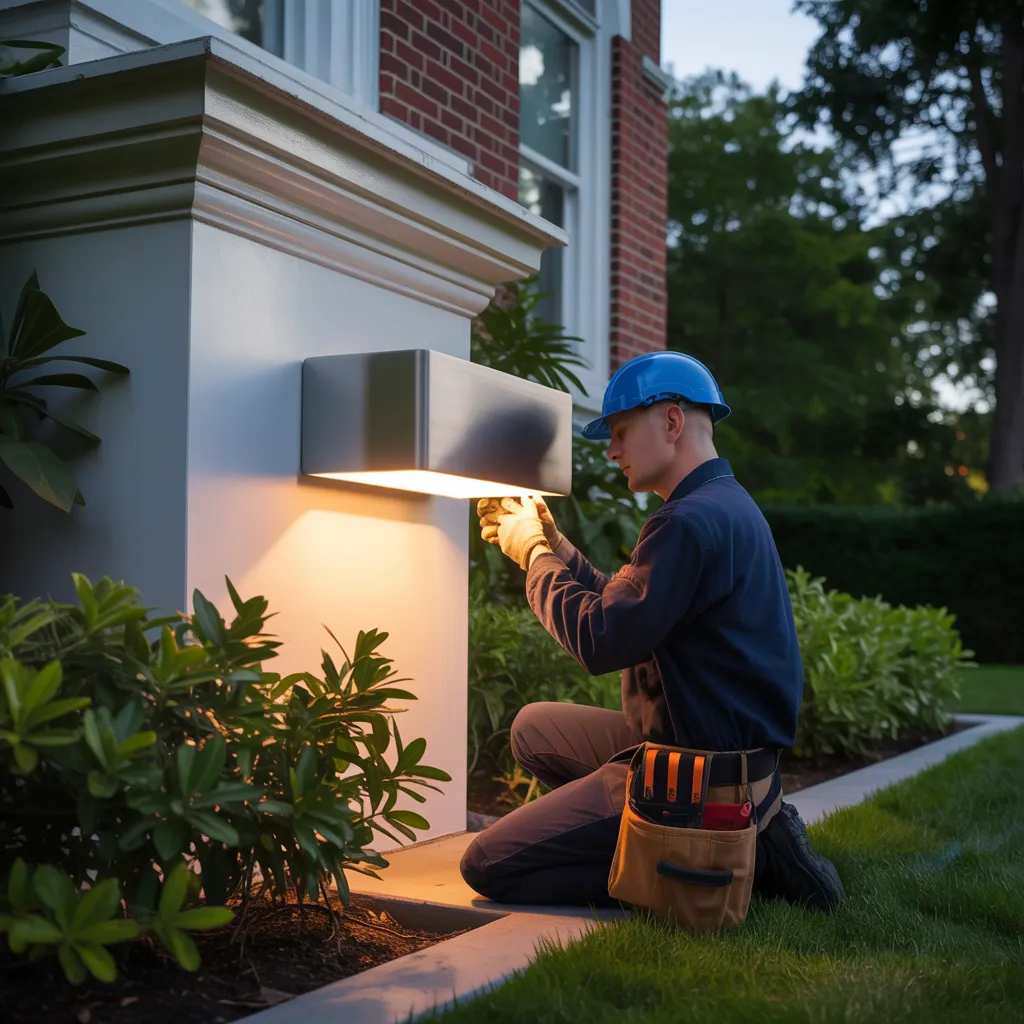
What Kind of Electrical Services Are You Looking For?
While identifying what electrical services are discover the information needed, one must assess the particular requirements of their building or establishment. Determining the electrical demands is crucial, as different properties can have varied needs. For residential spaces, services may include lighting installations, outlet upgrades, or circuit repairs. Commercial properties generally require more intricate solutions, such as system installations for heavy machinery or specialized lighting for work areas.
In addition, safety inspections are essential in both contexts to verify compliance with electrical codes. Homeowners may also pursue energy efficiency audits to reduce utility costs. It is vital to assess whether renovations or expansions will require increased electrical capacity. Understanding these aspects permits property owners to make informed decisions about the services necessary. Ultimately, a thorough evaluation of electrical needs sets the foundation for safe and efficient electrical systems, ensuring that all functionalities meet modern standards and expectations.
Find Professional Electricians
When picking an electrician, it is necessary to emphasize experience. Reviewing licensing credentials, assessing years of experience, and evaluating the quality of past projects can greatly affect the decision-making process. These factors work toward ensuring that the selected professional can successfully handle diverse electrical tasks.
Check Licensing Qualifications
To maintain safety and compliance with local regulations, verifying the licensing credentials of an electrician is crucial. A licensed electrician has met the necessary education and training requirements required by local authorities, ensuring they possess the knowledge to perform electrical work safely and effectively. Homeowners should request to see the electrician's license and confirm its validity through the proper licensing board or website. Furthermore, verifying insurance coverage is critical, as it protects both the homeowner and the electrician in case of accidents or damages during the project. Choosing an electrician with the proper licensing credentials not only assures adherence to safety standards but also provides peace of mind that the work will be completed to a professional standard.
Review Years of Experience
Experience plays a crucial role in the quality of electrical work, making it crucial to search for electricians with several years in the industry. An experienced electrician not only demonstrates technical skills but also has a more comprehensive understanding of safety protocols and regulations. They are proficient at troubleshooting common issues and can deliver effective solutions, which is vital for ensuring that electrical installations and repairs are completed in a safe and efficient manner. When evaluating potential electricians, it is advisable to question their years of experience and the types of projects they have completed. A seasoned professional is likely to have experienced a variety of situations and challenges, giving them the knowledge to deal with any unforeseen complications during a project.
Evaluate Earlier Project Workmanship
Reviewing the quality of completed projects is essential when choosing an electrician. Prospective clients should examine the electrician's portfolio, which may include images, client testimonials, and in-depth descriptions of completed work. This evaluation offers insight into the electrician's abilities, attention to detail, and ability to satisfy deadlines. Moreover, seeking references from former clients can provide valuable information concerning the electrician's professionalism and reliability. Engaging with former clients can reveal how effectively the electrician solves issues and communicates throughout the project. By focusing on experienced electricians with a proven track record of quality work, homeowners can verify their electrical projects are completed securely and efficiently, ultimately boosting the overall functionality and safety of their homes.
The Importance of Hiring a Licensed Electrician
In terms of electrical work, hiring a licensed electrician is vital for guaranteeing safety and compliance with local standards. Licensed electricians have received rigorous training and have developed the needed knowledge to handle intricate electrical systems. Their expertise decreases the risk of hazards such as electrical fires, shocks, and equipment failures, which can arise from improper installation or repairs.
Moreover, bringing in a licensed professional typically guarantees that the work carried out meets local building codes, which can be essential for future inspections and real estate transactions. In various jurisdictions, unlicensed work may lead to fines or the need for costly rework, undermining any savings obtained by selecting an unlicensed individual. Furthermore, licensed electricians generally carry liability insurance, providing an added layer of protection against potential damages. All things considered, investing in a licensed electrician is a smart choice that improves safety and assures high-quality workmanship.
Examine Electrical Contractor Reviews and References
In choosing an electrician, it is vital to examine their online ratings to determine customer satisfaction. Furthermore, seeking personal recommendations can provide helpful insights into a technician's reliability and expertise. Last but not least, carefully verifying credentials ensures that the chosen electrician meets industry standards and qualifications.
Examine Internet Ratings
How does one verify they are picking a reputable electrician? Analyzing online ratings is a key factor in this process. Online resources such as Google, Yelp, and Angie's List supply valuable insights into an electrician's professionalism based on customer experiences. Positive ratings generally signal a reliable professional, while consistent negative reviews can indicate potential issues. It is crucial to read both positive and negative feedback, paying attention to the context and specifics of each review. In addition, consider the quantity of reviews; a higher volume can reflect reliability, whereas limited reviews may not offer a full picture. Overall, analyzing online ratings provides homeowners with necessary information to make well-informed selections about electricians for their projects.
Seek Personal Recommendations
What more effective method to locate a reliable electrician than by requesting personal recommendations from colleagues, relatives, or acquaintances? These trusted individuals can provide their firsthand experiences and deliver insights into the work quality, professionalism, and reliability of various electricians. Personal referrals commonly help in discovering skilled professionals who may not have a strong online presence. It is helpful to ask specific questions about the electrician's ability to communicate, meet deadlines, and handle unexpected issues. Moreover, gathering multiple opinions can help create a more complete view of an electrician's strengths and weaknesses. Eventually, personal recommendations can serve as a valuable resource, guiding homeowners toward making educated decisions for their electrical needs.
Verify Credentials Meticulously
Prior to employing an electrician, it is crucial to confirm their qualifications thoroughly. This process includes verifying their licenses, insurance, and any relevant certifications. A licensed electrician has fulfilled the necessary training and regulatory standards, ensuring safety and compliance with local codes. Insurance safeguards both the homeowner and the electrician in case of accidents or damages.
In addition to verifying official credentials, it is essential to read reviews and ask for references from past clients. Web-based platforms and local community boards can give insights into an electrician's reputation, work quality, and reliability. Talking directly with former clients can offer more assurance of the electrician's professionalism. Thorough credential verification establishes a foundation of trust and confidence in the selected professional.
Comprehending Insurance & Warranty Protection
In the process of selecting an electrician, recognizing the nuances of insurance and warranty coverage is essential for protecting both the homeowner and the professional. Homeowners should confirm that the electrician carries adequate liability insurance, which guards against any damages or accidents that may arise during the project. This coverage is vital for lessening financial risks and providing peace of mind.
Additionally, confirming that the electrician has workers' compensation insurance is essential, as it safeguards homeowners from liability in case of injuries sustained on the job.
Warranty coverage plays a vital role when making your decision. A reputable electrician should offer warranties on their workmanship and the materials used, giving confidence about the quality and lasting nature of the work completed. Property owners should request information on these warranty specifics, such as the length of coverage and what's included, to confirm they have proper coverage for the future.
Effective Communication and Professional Conduct: Essential Qualities to Identify
Effective communication skills and professionalism are essential traits to contemplate in an electrician. An electrician with strong communication abilities can clearly explain project details, timelines, and any potential issues that may arise. This straightforward approach develops trust and confirms that homeowners are educated and comfortable with the work being executed.
Professionalism includes not only timeliness and dependability but also the electrician's demeanor and respect for the homeowner's space. An electrician who conducts themselves professionally and complies with industry standards demonstrates a commitment to quality. Moreover, a professional electrician will attentively consider the homeowner's concerns, handling them politely and carefully.
These traits are indicative of a skilled tradesperson who values both their profession and their clients' happiness. In the end, choosing electricians who demonstrate excellent communication and professionalism will ensure a more seamless project experience and a successful outcome.
Comprehending Costs: Secure Written Estimates
Understanding pricing is vital for homeowners looking for electrical services, as it helps to set clear expectations and prevent unexpected costs. One of the most efficient ways to accomplish this is by obtaining written estimates from potential electricians. A written estimate delivers a detailed breakdown of costs, including labor, materials, and any additional fees, permitting homeowners to compare services precisely.
When requesting estimates, it is important to guarantee that all electricians are proposing rates for the same scope of work, which helps in making fair comparisons. Homeowners should also request information regarding the expiration date of the estimate, as prices can fluctuate over time.
In addition, a professional electrician should be honest about their pricing structure and happy to break down any ambiguous charges. By insisting on written estimates, homeowners can make educated decisions and choose an electrician who fits their budget and project specifications.
Most Asked Questions
How Do I Assess if an Electrician Is Reputable?
To figure out whether an electrician is dependable, you should examine their credentials, look at customer reviews, check their insurance, and request references. Trustworthiness is frequently reflected in their communication and openness to answer questions openly.
What Happens if I'm Not Satisfied With the Work?
Should dissatisfaction occur, it's best to first address your concerns directly with the electrician, allowing for resolution. Should the issue remain unresolved, going over the contract terms, seeking mediation, or getting in touch with the relevant licensing authorities might help in resolving the problem.
Am I Able to Hire an Electrician for Small Jobs?
Hiring an electrician for minor tasks is certainly possible. Several professionals readily accept smaller tasks, ensuring proper safety and compliance with electrical codes. Customers ought to review details and get quotes prior to starting the project.
How Long Does It Typically Take to Complete Electrical Projects?
Generally, electrical work can take anywhere from just hours up to several days, depending on how complex and extensive they are. Simple tasks like replacing outlets may only need an hour, while larger jobs necessitate more time and preparation.
What Safety Protocols Should Electricians Follow While Performing Work?
Electrical technicians should always wear appropriate personal protective equipment, make certain tools are insulated, check that power is off before starting, keep a clean workspace, and observe local codes and regulations to stop accidents and guarantee safety.